
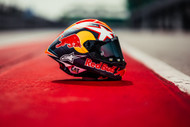
For most riders, a motorcycle helmet is more than just a legal requirement. It's the single most important piece of protective equipment you'll ever own. While aftermarket parts, performance upgrades, and custom accessories can improve your motorcycle, nothing has a greater impact on rider safety than a properly fitted, high-quality helmet.
Today's motorcycle helmets are engineered with advanced materials and innovative technology designed to absorb impacts, reduce fatigue, improve aerodynamics, and keep riders comfortable in virtually any riding condition. Whether you're commuting to work, exploring back roads, touring across the country, or hitting the track, the right helmet can make every ride safer and more enjoyable.
Why Motorcycle Helmets Matter
For most riders, a motorcycle helmet is more than just a legal requirement. It's the single most important piece of protective equipment you'll ever own. While aftermarket parts, performance upgrades, and custom accessories can improve your motorcycle, nothing has a greater impact on rider safety than a properly fitted, high-quality helmet.
Today's motorcycle helmets are engineered with advanced materials and innovative technology designed to absorb impacts, reduce fatigue, improve aerodynamics, and keep riders comfortable in virtually any riding condition. Whether you're commuting to work, exploring back roads, touring across the country, or hitting the track, the right helmet can make every ride safer and more enjoyable.
Understanding Helmet Types
Choosing the right helmet starts with understanding the different styles available.
Full-Face Helmets
Full-face helmets offer the highest level of protection by covering the entire head, including the chin and jaw area. Since impacts often occur around the face and chin, many riders consider full-face helmets the gold standard for safety.
Ideal For:
- Street riders
- Sportbike enthusiasts
- Touring riders
- Daily commuters
Advantages:
- Maximum protection
- Excellent weather resistance
- Reduced wind noise
- Better aerodynamics
Modular Helmets
Modular helmets combine the protection of a full-face helmet with the convenience of a flip-up chin bar. They're particularly popular among touring and adventure riders.
Ideal For:
- Long-distance touring
- Adventure riding
- Riders who frequently stop during trips
Advantages:
- Easy communication at stops
- Convenient for fuel stations
- Flexible functionality
Open-Face Helmets
Open-face helmets cover the top, sides, and back of the head while leaving the face exposed.
Ideal For:
- Cruiser riders
- Urban riding
- Relaxed weekend rides
Advantages:
- Increased airflow
- Wider field of view
- Lightweight feel
Consideration:
- Less facial protection compared to full-face designs
Off-Road & Adventure Helmets
Designed for dirt, dual-sport, and adventure motorcycles, these helmets feature large eye ports, prominent visors, and enhanced airflow systems.
Ideal For:
- Motocross riders
- Trail riders
- Adventure tourers
Advantages:
- Excellent ventilation
- Goggle compatibility
- Built for off-road conditions
Key Safety Features to Consider
Not all helmets are created equal. Here are some of the most important features to evaluate before making a purchase.
Shell Construction
Helmet shells are commonly made from:
- Polycarbonate
- Fiberglass composite
- Carbon fiber
- Advanced composite blends
Premium materials often deliver better strength while reducing overall weight, helping decrease neck fatigue during long rides.
Impact-Absorbing Liner
The EPS (Expanded Polystyrene) liner inside the helmet is designed to absorb impact energy. This critical safety component helps reduce the force transferred to a rider's head during an accident.
Ventilation Systems
Quality ventilation can dramatically improve comfort, especially during summer rides. Look for adjustable intake and exhaust vents that promote airflow while reducing heat buildup.
Face Shields
Today's face shields often include:
- Anti-fog technology
- Scratch-resistant coatings
- UV protection
- Quick-release mechanisms
- Pinlock compatibility
These features improve visibility and reduce distractions while riding.
Comfort Liners
Premium helmets frequently include moisture-wicking, removable, and washable liners that help maintain comfort and hygiene over time.
Getting the Perfect Fit
Even the most technologically advanced helmet won't perform properly if it doesn't fit correctly.
A properly fitted helmet should:
- Feel snug around the entire head
- Remain secure when you shake your head
- Not create painful pressure points
- Sit level across your forehead
- Stay firmly in place with the chin strap fastened
Many riders make the mistake of purchasing a helmet that's too large because it feels more comfortable initially. However, helmet padding naturally compresses over time, making a loose helmet even looser.
When trying on a new helmet, it should feel comfortably snug without causing discomfort.
Helmet Certifications Explained
Safety certifications help riders identify helmets that meet established testing standards.
DOT Certification
DOT-certified helmets meet the safety standards required for street use in the United States.
ECE Certification
ECE certification is widely recognized internationally and is commonly found on premium helmets sold throughout the world.
Snell Certification
Snell-certified helmets undergo additional testing standards and are often favored by performance-oriented riders and racers.
Regardless of the certification, always purchase helmets from reputable manufacturers and authorized dealers.
When It's Time for a New Helmet
Many riders hold onto helmets longer than they should.
Consider replacing your helmet if:
- It's been involved in an impact or crash.
- The shell shows signs of damage.
- The interior padding is worn out.
- Retention straps are deteriorating.
- Ventilation components are failing.
- The helmet no longer fits securely.
A helmet may appear fine externally while internal protective materials have deteriorated over time.
Final Thoughts
A motorcycle helmet is one of the smartest investments any rider can make. Beyond meeting legal requirements, a quality helmet protects your head, reduces rider fatigue, improves comfort, and helps you stay focused on the road ahead.
Whether you choose a full-face, modular, open-face, or adventure helmet, prioritize safety certifications, proper fit, quality construction, and rider comfort. The best motorcycle helmet isn't necessarily the most expensive one. It's the helmet that fits correctly, meets recognized safety standards, and gets worn every time you ride.